Navigating the world of healthcare can often feel overwhelming, especially when trying to align family values with medical decisions. In this blog, we’ll explore how faith can provide a guiding light in understanding and managing family healthcare effectively.
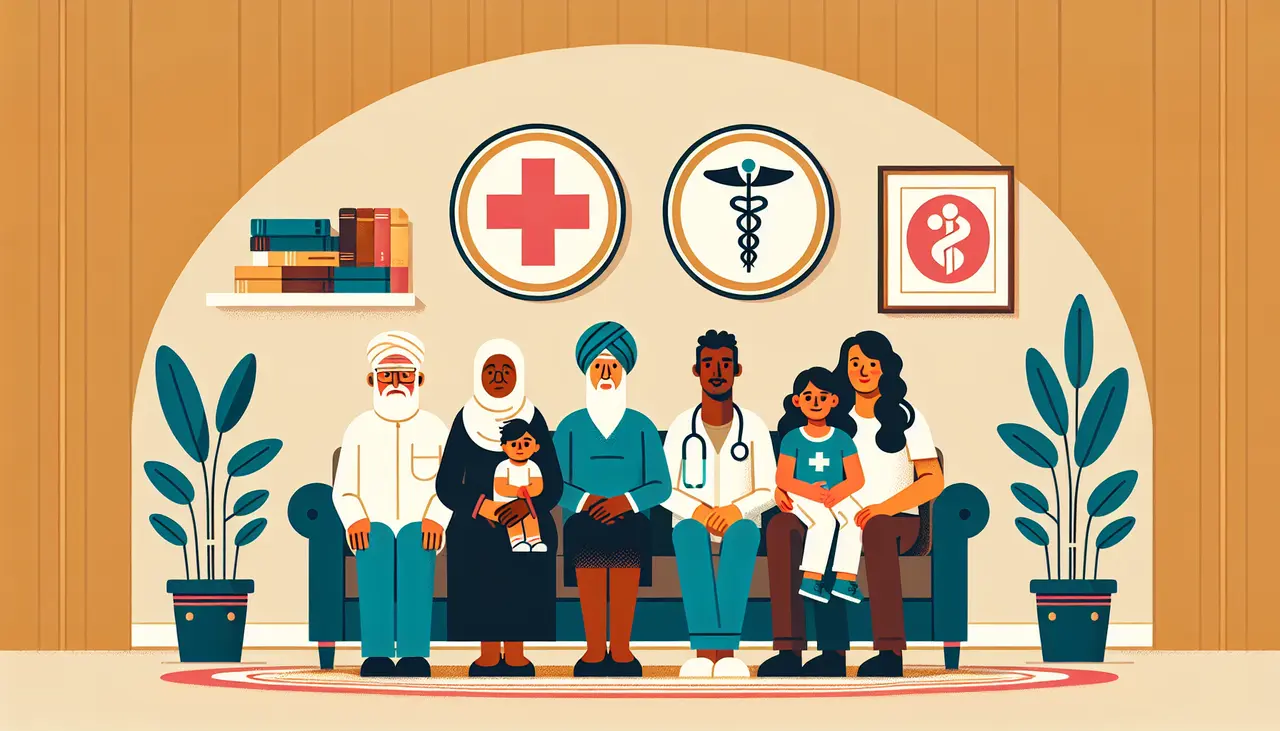
The Role of Faith in Healthcare Decision-Making
Faith can influence healthcare decisions in a multitude of ways, from the selection of treatments to the declaration of healthcare values. Understanding this dynamic is crucial for families striving to align their faith with healthcare choices. Religious beliefs can guide choices regarding end-of-life care and medical interventions, ensuring that family decisions remain consistent with their spiritual convictions. By discussing how different religions approach healthcare, further insights can be gained that support these personal choices.
Additionally, faith can provide comfort and direction during difficult times. For many, prayer becomes a powerful tool for reflection and decision-making when faced with medical dilemmas. It encourages individuals to seek wisdom and clarity before proceeding with medical treatments. This approach can lead to more thoughtful and deliberate healthcare decisions that align well with the deeply held beliefs of the family.
Balancing Spiritual Beliefs with Medical Advice
It is important to balance spiritual beliefs with professional medical advice. This section will explore strategies to harmonize faith-based perspectives with actionable healthcare plans, ensuring that family healthcare remains comprehensive and holistic.
One effective way to achieve this balance is by fostering open communication between patients, family members, and healthcare providers. Encouraging dialogue helps ensure that all parties are aware of the spiritual factors that may influence healthcare decisions. For instance, a family’s preference for natural remedies or aversion to certain medical procedures can significantly affect treatment plans. Involving a faith leader in discussions can also offer valuable insight, ensuring medical decisions don’t conflict with spiritual values.
Another approach is creating a tailored healthcare strategy that incorporates both medical expertise and spiritual guidance. This might involve selecting healthcare practitioners who respect and understand these spiritual beliefs, making it easier for patients to follow through with treatments that resonate personally. Additionally, regular consultations with spiritual advisors can guide families through the medical landscape, bringing their beliefs and medical needs into alignment.
Building a Faith-Informed Healthcare Plan for Families
Creating a family healthcare plan that respects faith traditions can involve thoughtful consideration and planning. We’ll look at practical steps for integrating faith into healthcare routines to promote unity and understanding amongst family members.
To start, it’s beneficial for families to identify key health priorities that align with their spiritual values. This can involve setting health goals that are rooted in faith principles, such as prioritizing whole-body wellness or participating in faith-based community health programs. These goals should be shared and discussed regularly within the family group, fostering a collective understanding and agreement on healthcare objectives.
Next, families can leverage faith-based resources to shape their healthcare plans. Many religious organizations offer guidance and materials on health management that adheres to specific beliefs, while some might recommend healthcare practitioners who share or respect similar values. Through engaging in faith-centered discussions and activities, families can reinforce a healthcare approach that is both spiritually satisfying and medically sound.
How Faith Communities Support Family Healthcare
Faith communities often play a significant role in providing support and resources in times of medical need. This section will examine how engaging with these communities can bolster family healthcare efforts.
Communal support can be particularly invaluable, especially during challenging healthcare moments. Many faith communities offer physical, emotional, and spiritual aid to families facing medical issues. This support might come in the form of group prayers, visits to medical facilities, or organizing assistance for daily needs. Engaging actively with such communities can relieve some of the burdens that accompany family healthcare responsibilities.
Furthermore, these communities can be excellent sources of information and advocacy for families navigating the healthcare system. By participating in community events or workshops focusing on healthcare, families can remain updated on pertinent issues or receive first-hand testimonials from fellow members about successful healthcare strategies. Additionally, many faith communities have designated health coordinators who can guide families in understanding medical jargon, policy, and procedures while keeping faith considerations in mind.
Bringing Faith and Family Healthcare Together
Incorporating faith into family healthcare can transform daunting medical decisions into empowering choices that reflect personal values and beliefs. By understanding these concepts, families can navigate healthcare with more confidence and peace. For those looking to dive deeper into family healthcare strategies and integrate them with their faith, visit our homepage to explore our resources and support.