Choosing a Sharia Life Insurance Plans that aligns with your values and beliefs is important. For those seeking Sharia-compliant options, understanding the principles and guidelines can seem daunting. This guide will simplify the process by providing clear, actionable advice to help you select a Sharia-compliant life insurance plan with confidence.
What Is Sharia-Compliant Life Insurance?
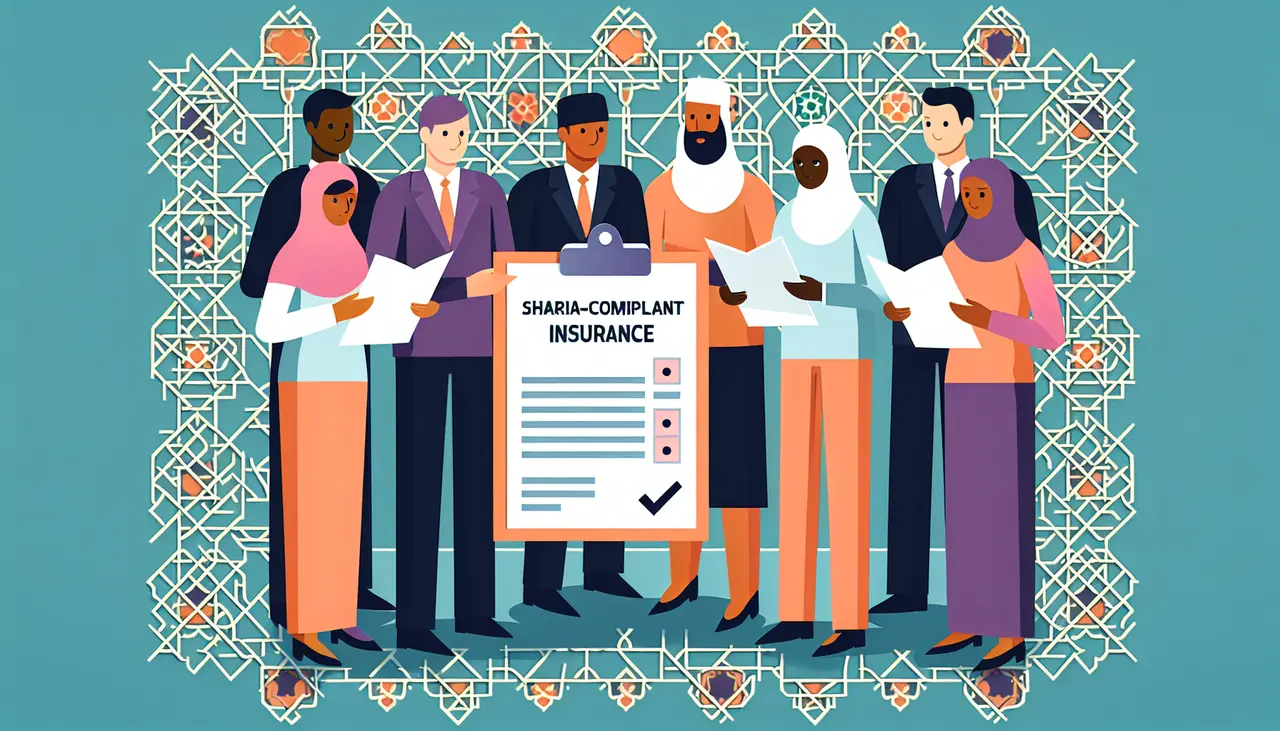
Before diving into specific plans, it’s essential to understand what makes life insurance Sharia-compliant. These policies are designed to align with Islamic laws, focusing on shared risk and avoiding interest-based transactions. The core objective is to ensure that all transactions are free from elements such as Riba (interest), Gharar (uncertainty), and Maisir (gambling), which are prohibited under Sharia law. According to Islamic finance principles, the policyholders collectively bear the risk, and the profit and loss are shared among them. This cooperative approach embodies the spirit of Islamic law and creates a sense of community and mutual assistance among participants.
Life insurance plans adhering to Sharia principles go by various names, with Takaful being the most recognized. Unlike conventional insurance, where the insurer assumes the risk, Takaful operates on the concept of Tabarru’ or donation, whereby policyholders agree to donate their contributions to assist each other in times of need. This model not only ensures compliance with Islamic teachings but also promotes ethical and sustainable practices in the insurance sector. Understanding these foundational concepts is crucial when selecting the appropriate plan and provider that best suits your needs.
1. Key Features of Halal Insurance
Halal insurance, also known as Takaful, is based on cooperative principles. Policyholders contribute to a shared pool, and funds are managed in a way that avoids investing in non-compliant industries. This means that investments made under a Takaful plan are not directed towards sectors like alcohol, gambling, or conventional banking which are contrary to Islamic values. Demonstrating social responsibility, Takaful plans must adhere to strict ethical standards, ensuring that all investments and profit motives align with the moral teachings of Islam.
Transparency and fairness are the hallmarks of Halal insurance. Unlike conventional insurance models, here the participants have a right to a share in the surplus, which arises from the pool of funds, based on the company’s performance. This aspect of Takaful ensures that there is no unjust enrichment, and also the participants can receive any leftover funds after claims and expenses are covered. Understanding these features aids in reassessing how risk is shared and managed, offering a unique alternative to traditional insurance structures for those seeking Sharia-compliant plans.
A well-structured Takaful plan also implements a Wakalah model, where a Takaful operator manages the fund on behalf of the participants. In this capacity, the operator takes a fee for management services, ensuring operational transparency. This fee is pre-agreed and disclosed in the policy documents, creating trust between the participants and the operator. The triple layer of mutual cooperation, ethical safeguarding of funds, and transparent management amplify the benefits of a Halal insurance agreement, encouraging informed choices for insurance seekers in compliance with Islamic theology.
2. Researching Available Providers
Not all insurance companies offer Sharia-compliant plans, so it’s vital to identify those that do. Research Islamic insurance companies and assess their offerings and reputations. As Sharia insurance is a specialized area, many well-known providers include global players and local companies focusing specifically on Islamic finance principles. Ensure that the provider has robust Sharia boards overseeing their operations and that they have acquired all necessary certifications to offer these insurance solutions.
A great starting point is to examine reviews, both from clients and reputable financial reviewers, that highlight customer satisfaction and plan effectiveness. Feedback from existing customers can provide insight into the company’s service quality and claim handling efficiency. Additionally, consulting with peers who have previously chosen Sharia-compliant plans or financial advisors who are knowledgeable in Islamic finance can provide invaluable guidance. Engaging in comprehensive research to understand the range of services, client handling, and financial transparency can significantly ease the decision-making process.
3. Assessing Plan Options
Once you’ve identified potential providers, compare their plans carefully. Look at coverage options, terms, and how funds are managed. Pay attention to the policy’s financial management model, checking carefully how the shared contributions are utilized. Make sure to evaluate both short-term benefits and long-term savings opportunities, while ensuring they meet your specific financial goals and life insurance needs.
Investigating whether the plan covers essential life risks and includes family benefits is crucial. Equally important is understanding the claims process – knowing how efficient, fair, and transparent their client service protocols are can make a significant difference when you or your loved ones file for a claim. Engage actively with the insurance representatives to clarify any ambiguities, and insist on detailed explanations for all terms and conditions outlined in the insurance agreement.
4. Consulting with Experts
Consider speaking with financial advisors or specialists experienced in Islamic finance. They can provide valuable insights and answer specific questions you may have. These professionals can further elucidate the intricacies of Sharia-compliant life insurance, helping you understand how these plans integrate with your broader financial strategies and religious beliefs. They are equipped to clarify complex concepts and present you with a detailed analysis of what each insurance package offers and which one fits your life circumstances best.
When consulting with experts, make sure they are credible and knowledgeable about the latest developments in Islamic finance. Advisors who are actively engaged in this sector often offer timely advice on new products and evolving regulations that can impact your decision. Let their experience guide you through the merits of selecting a truly transformative and compliant insurance solution that safeguards your family’s future financially.
5. Evaluating Financial Transparency
A crucial component of selecting a Sharia-compliant plan is ensuring financial transparency. Providers should be open about how contributions are used and investments made. Demand clarity on the distribution of surplus funds and ensure regular financial audits are documented. Transparency in all financial dealings not only reflects the provider’s compliance with Islamic law but also assures clients of ethical practices and forthright interaction.
Seek out detailed reports and documentation on the company’s investment approaches and any financial audits they undergo. Knowing exactly where your funds are allocated fosters peace of mind, affirming that your financial transactions align with both your ethical standards and religious convictions. High levels of transparency also build trust, fostering a long-term, positive relationship with your provider crucial for financial and health planning.
6. Aligning with Personal Values
Ultimately, your choice should reflect your personal values. Choose a plan that you feel comfortable with, knowing it aligns with your beliefs. A prime advantage of Sharia-compliant life insurance is that it removes the ethical dilemmas often associated with conventional financial products. By putting your faith and personal beliefs at the center of financial planning, you can achieve a peace of mind that is as invaluable as the financial protection itself.
Reflect on your long-term objectives and make sure that the life insurance plan resonates with your personal ethos. Don’t hesitate to question insurers on how they incorporate ethical values in their offerings or how they handle potential conflicts with Islamic principles. Only by maintaining a vigilant perspective can you procure a life insurance solution that both protects and harmonizes with your deep-rooted values, ensuring you and your family’s well-being now and in the future.
7. Making an Informed Choice
Navigating the world of Sharia-compliant life insurance plans doesn’t have to be overwhelming. By understanding key concepts and asking the right questions, you can find a plan that not only provides peace of mind but also aligns with your values and beliefs. Take your time, do your research, and make an informed decision that you feel good about.
Why Choose Ikhlas Insurance Group?
At Ikhlas Insurance Group, we specialize in offering Sharia-compliant life insurance plans that are tailored to your values and goals. We work only with Islamic insurance companies and ensure that all our offerings are vetted by qualified Shariah scholars.
- 100% Halal-compliant
- Transparent surplus-sharing
- Ethical investment portfolios
- Personalized coverage options
FAQs – Shariah-Compliant Life Insurance
Q1. What makes life insurance Sharia-compliant?
Shariah-compliant life insurance avoids interest, gambling, and excessive uncertainty. It uses a cooperative model (Takaful) that aligns with Islamic principles.
Q2. Can Muslims take traditional life insurance?
Most scholars discourage conventional insurance due to riba and gharar. Takaful is the preferred alternative for Muslims.
Q3. Is Takaful recognized worldwide?
Yes, Takaful is recognized and regulated in many countries including the US, UK, Malaysia, UAE, and Saudi Arabia.
Q4. Are returns from Takaful policies halal?
Yes, profits are generated through halal investments and are distributed ethically under Sharia guidelines.
Q5. How can I apply for Islamic life insurance?
You can apply through a certified provider like Ikhlas Insurance Group. Call (833) 853-5333 or schedule a consultation online.